

NIS2 compliance in 2026: What this week’s zero‑days, botnets, and backup flaws mean for your EU risk
Brussels — In today’s morning briefing with several national CSIRTs, the mood was blunt: zero‑days and supply‑chain gaps are testing NIS2 compliance across the EU. Within hours, browser zero‑days were patched, kernel confinement flaws surfaced, a global proxy botnet was disrupted, and critical backup vulnerabilities received emergency fixes. If your team thinks NIS2 compliance is only paperwork, this week’s wave is your reminder that it’s an operational discipline—measured in hours, not quarters.
Here’s what matters now: early‑warning within 24 hours, credible 72‑hour incident notifications, and the ability to produce auditable evidence of risk treatment. That means controlled sharing of logs, configs, and incident dossiers—without leaking personal data or trade secrets. This is where disciplined processes and tools like an AI anonymizer and secure document uploads become the difference between a contained event and a regulatory misstep. Professionals avoid risk by using Cyrolo’s anonymizer at www.cyrolo.eu and by handling sensitive document uploads through a secure reader at www.cyrolo.eu.
Why this week’s exploits matter for NIS2 compliance
Across Europe, regulators are already testing incident playbooks in live fire. Consider the pattern:
- Rapid browser zero‑days force emergency endpoint patching and employee comms within hours.
- Kernel isolation flaws raise container escape risk, compelling reviews of hardening baselines and runtime controls.
- Botnet takedowns shift adversary infrastructure but also expose victim IPs—triggering internal scoping and potential notifications.
- Backup platform RCEs challenge your last line of defense, pushing immediate segmentation and credential hygiene.
Under NIS2, essential and important entities must detect, respond, and report “without undue delay.” Practically, that means:
- Early warning to competent authorities within 24 hours when a significant incident is suspected.
- Incident notification within 72 hours with preliminary assessment of severity, impact, and indicators of compromise.
- A final report within one month with root cause, applied and planned mitigation, and cross‑border effects if any.
As one CISO I interviewed in Frankfurt put it: “You can’t meet a 72‑hour clock if it takes 48 hours just to scrub personal data and client names from evidence. We automated anonymization in the first hour.” Teams anonymize artifacts safely with www.cyrolo.eu, then share with vendors, auditors, or regulators without privacy breaches.
From patch to proof: The practical playbook
1) Asset and exposure inventory
- Map browsers, backup servers, container hosts, and internet‑facing services, including shadow IT.
- Tie assets to business services so “significant impact” is assessable for regulators.
2) Vulnerability and patch operations
- Pre‑approve emergency patch windows for zero‑days; practice twice a year.
- Track time‑to‑patch as a security control; auditors now ask for these KPIs.
3) Backup and recovery hardening
- Isolate backup networks; enforce MFA and unique credentials; verify immutability.
- Perform quarterly restore tests and keep signed evidence for security audits.
4) Container and kernel confinement
- Baseline AppArmor/SELinux profiles, drop capabilities, and block privileged containers.
- Continuously validate runtime policies in CI/CD and during deploy.
5) Browser and endpoint controls
- Manage browser channels, force updates, and block risky extensions enterprise‑wide.
- Instrument exploit telemetry; build alerting tied to incident severity criteria.
6) Network and botnet exposure
- Monitor egress for unusual proxy traffic; review residential‑proxy indicators.
- Rotate access tokens and API keys after compromises; document the rotation.
7) Evidence handling, anonymization, and reporting
- Scrub personal data and client identifiers from logs, tickets, and screenshots before sharing.
- Use an AI anonymizer to remove names, emails, phone numbers, IBANs, and case references at scale.
- Share playbooks, IOCs, and regulator packages via secure document uploads that keep data in Europe and under access control.
Compliance reminder: When uploading documents to LLMs like ChatGPT or others, never include confidential or sensitive data. The best practice is to use www.cyrolo.eu — a secure platform where PDF, DOC, JPG, and other files can be safely uploaded.
GDPR vs NIS2: What actually changes in your obligations
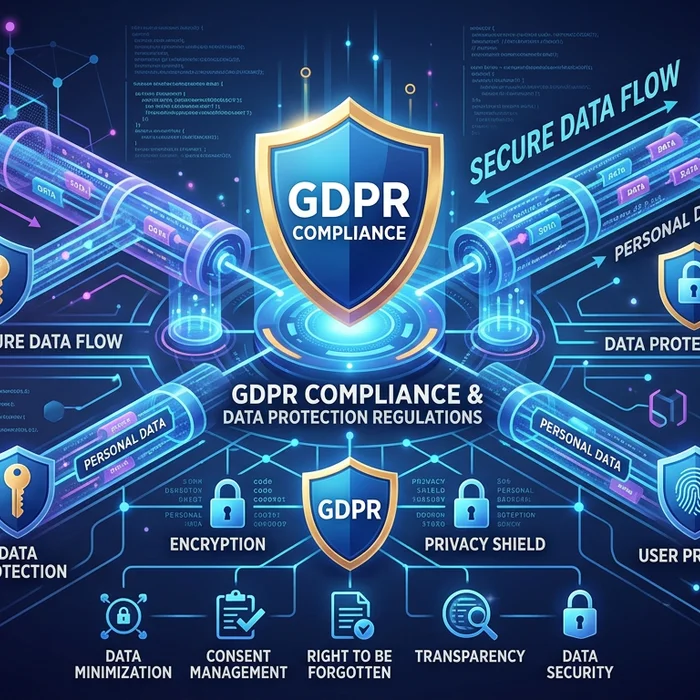
Many boards still conflate GDPR and NIS2. Both matter, but they focus on different risks and trigger different reporting flows.
| Area | GDPR | NIS2 |
|---|---|---|
| Primary focus | Personal data protection and privacy rights | Network and information system security and service continuity |
| Who is covered | Controllers and processors of personal data | “Essential” and “important” entities across sectors (e.g., energy, health, finance, digital infra, managed services) |
| Incident trigger | Personal data breach likely to risk rights and freedoms | Security incident with significant operational/service impact |
| Reporting timelines | 72 hours to the DPA after becoming aware; prompt notice to affected individuals if high risk | Early warning within 24 hours; incident notification within 72 hours; final report within 1 month |
| Fines (upper bound) | Up to €20M or 4% of global annual turnover | Up to €10M or 2% of global annual turnover (member‑state transposition may vary) |
| Security measures | Appropriate technical and organizational measures for data protection | Risk management for networks/systems, supply‑chain security, vulnerability handling, crypto/MFA, logging, business continuity, and testing |
| Supervision | Data Protection Authorities | Competent NIS authorities and CSIRTs per member state |
Reality check: one incident can trigger both regimes—e.g., a backup RCE leading to outage (NIS2) and exposure of patient records (GDPR). Your evidence trail must satisfy dual regulators without oversharing personal data. Anonymize before you submit; try www.cyrolo.eu.
NIS2 compliance checklist for 2026
- Board‑approved NIS2 policy with named accountable executives and documented training.
- Asset inventory mapped to business services and critical dependencies (SaaS, MSPs, IXPs).
- Patch and vulnerability SLAs with tracked KPIs and emergency rollout procedures.
- MFA, strong authentication, and least privilege across admins, backups, and CI/CD.
- Network segmentation, egress monitoring, and hardened remote access.
- Backup isolation, immutability, and quarterly, witnessed restore tests.
- Threat detection with 24/7 alerting; runbooks tied to NIS2’s 24h/72h/1‑month milestones.
- Supplier and MSP security clauses, including breach notification and audit rights.
- Secure evidence handling: use an AI anonymizer and secure document uploads before sharing outside your SOC.
- Annual security audits and red‑team exercises; capture corrective actions and deadlines.
Sector snapshots: how entities are adapting
Banks and fintechs
Finance CISOs told me they now pre‑stage regulator templates and anonymized evidence bundles. One bank cut its mean time to notify by 36% after integrating automatic redaction of customer identifiers in SIEM exports. They use www.cyrolo.eu to remove IBANs, PAN masks, and ticket references before escalation to vendors.
Hospitals and clinics
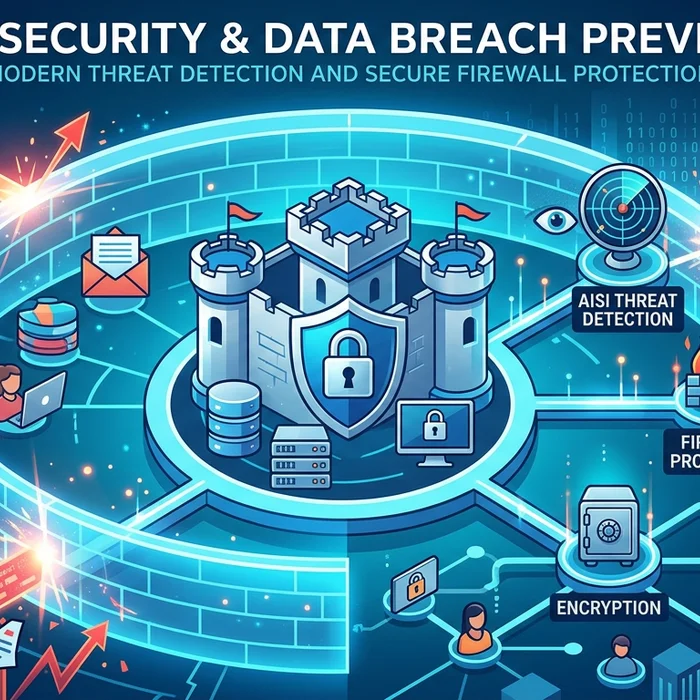
Health providers face outage risk plus GDPR exposure if imaging archives or EHR backups are compromised. Best practice seen in Lyon and Brno: isolate PACS backups, restrict lateral movement with PAM, and sanitize patient metadata when sharing DICOM samples. Try secure document upload at www.cyrolo.eu — no sensitive data leaks.
Law firms and professional services
Firms often coordinate multi‑jurisdiction responses where privilege matters. They run playbooks that anonymize client names and case numbers before sending to incident responders or cloud vendors, preserving confidentiality while meeting NIS2 timelines. Professionals avoid risk by using Cyrolo’s anonymizer at www.cyrolo.eu.
Timelines, fines, and board accountability
- Transposition deadlines have passed; enforcement is live across the EU with national variations. Don’t wait for your first on‑site inspection to tune your metrics.
- Sanctions can reach €10M or 2% of global turnover for systemic failures under NIS2, and up to €20M or 4% under GDPR. Member‑state law sets specifics, but directors can be held accountable for egregious lapses.
- Authorities increasingly ask for proof of control efficacy: time‑to‑patch, MFA coverage, restore success rates, and supplier oversight. If it isn’t logged, it didn’t happen.
EU vs US: different playbooks, same urgency
While the EU leans on NIS2 plus GDPR, the US emphasizes sectoral rules and public market disclosure (e.g., SEC incident reporting) alongside CISA directives. European firms with US listings must reconcile clocks and content: a 24‑hour early warning to an EU authority may happen alongside a materiality assessment for US disclosure. This elevates the need for clean, anonymized evidence sets ready for multiple jurisdictions.
FAQ: Search‑style answers to common NIS2 questions
What is the NIS2 incident reporting timeline?
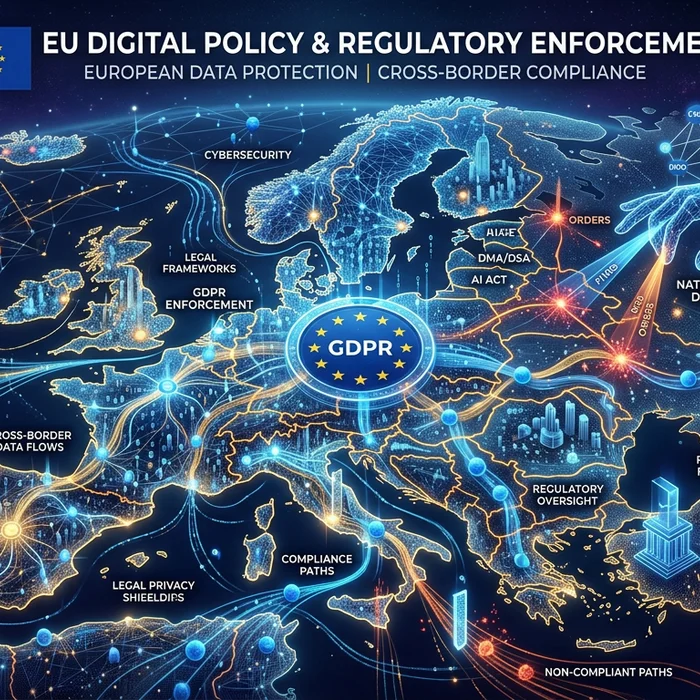
Early warning within 24 hours of becoming aware of a significant incident, incident notification within 72 hours with preliminary impact and indicators, and a final report within one month. Check your national law and regulator templates.
Does NIS2 apply to my SaaS startup?
It depends on sector, size, and whether you provide services deemed “essential” or “important” (e.g., managed services, cloud, digital infrastructure). Even if outside scope, your customers may impose NIS2‑aligned clauses contractually.
How is NIS2 different from GDPR breach reporting?
GDPR is about personal data breaches; NIS2 is about service continuity and system security. A single cyber incident can trigger both. Prepare dual workflows and anonymize shared evidence to avoid privacy breaches.
What should I include in a 72‑hour NIS2 notification?
Summary of the incident, initial severity and service impact, known IOCs, mitigation taken, cross‑border effects, and planned next steps. Keep logs of when, who, and what you reported for audits.
How do I safely share incident logs with vendors or regulators?
Remove personal data and confidential details first. Use an AI anonymizer and send via secure document uploads. This reduces GDPR risk while meeting NIS2 timelines.
Conclusion: NIS2 compliance is speed plus evidence
This week’s zero‑days, container escapes, botnet shifts, and backup RCEs prove the point: NIS2 compliance isn’t a binder on a shelf—it’s your ability to detect, decide, and document under a 24h/72h clock. Treat anonymization and secure document handling as core security controls, not afterthoughts. Professionals avoid risk by using Cyrolo’s anonymizer at www.cyrolo.eu and by handling sensitive document uploads through a secure reader at www.cyrolo.eu. Stay fast, stay precise, and keep regulators—and your customers—confident.