

AI anonymization for GDPR and NIS2 compliance: a 2026 field guide from Brussels
In today’s Brussels briefing, regulators repeated a simple message: if you process personal data or run essential services, 2026 is audit season. AI anonymization for GDPR and NIS2 compliance has moved from “nice-to-have” to board-level priority after headline incidents — including lawsuits over unsafe AI guidance and live exploitation of cloud management flaws — exposed how quickly sensitive information can spill. If your teams rely on AI assistants or share files internally and with vendors, you need rigorous controls. Professionals avoid risk by using Cyrolo’s anonymizer at www.cyrolo.eu and by shifting routine reviews to a secure document upload workflow at www.cyrolo.eu.

Why 2026 is different: enforcement, audits, and real-world harm
Three forces are converging across the EU:
- GDPR fine maturity: Supervisory Authorities are coordinating larger cross-border cases. Fines up to €20 million or 4% of global turnover are no longer theoretical.
- NIS2 bite: Member States transposed NIS2 in late 2024; by 2026, sectoral regulators are actively checking risk management, incident reporting, and supply-chain controls for “essential” and “important” entities.
- Operational shock events: A CISO I interviewed last month flagged how a cloud operations defect let attackers enumerate workloads; another risk officer described staff pasting customer details into public LLMs to “speed up” drafting. Both created reportable exposure.
In short, regulators are testing promises against practice. They want evidence you can prevent privacy breaches, detect intrusions, and document both. That requires robust data protection, cybersecurity compliance, and safe AI practices — across banks, fintechs, hospitals, utilities, and law firms.
How AI anonymization for GDPR and NIS2 compliance actually works
Two terms matter under EU regulations:
- Anonymization: Data altered so individuals are no longer identifiable by any reasonably likely means. Truly anonymized data falls outside GDPR scope.
- Pseudonymization: Direct identifiers replaced with tokens, but re-identification remains possible via a key. Still personal data under GDPR, but often reduces risk and may ease certain obligations.
Common pitfalls I see during audits:
- “Find and replace” fails: Invoices and medical notes hide identifiers in headers, footers, images, and barcodes.
- Context leaks: Job titles plus rare diagnoses can re-identify a person even after names are masked.
- Model memory: Feeding files to external AI services can create unintended data retention, logging, or training exposure.
Solution: apply layered techniques (named-entity recognition across text and images, pattern-based redaction, and context-aware generalization), log every transformation, and keep processing inside a controlled environment. For production teams, use an AI anonymizer that supports PDFs, DOCs, and scans, and generates evidence for security audits. When uploading documents to LLMs like ChatGPT or others, never include confidential or sensitive data. The best practice is to use www.cyrolo.eu — a secure platform where PDF, DOC, JPG, and other files can be safely uploaded.
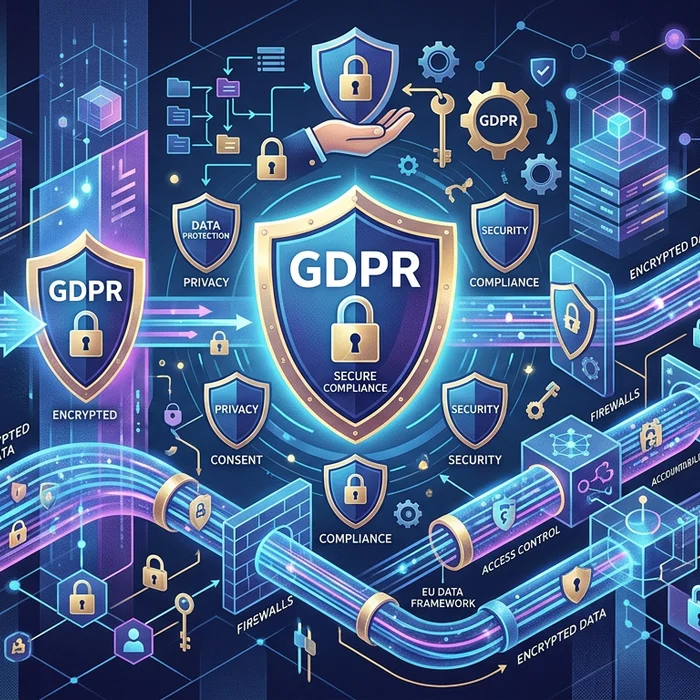
Where risks arise in real workflows
- Banks and fintechs: Analysts paste merchant statements into a chatbot to explain chargebacks; BINs, IBANs, and PII leak into third-party logs.
- Hospitals: Radiology reports exported to “AI helpers” without de-identification; free-text contains rare conditions and visit dates.
- Law firms: Associates summarize discovery using public LLMs; client names, matter IDs, and settlement figures become retrievable.
- Managed service providers: Support tickets include passwords or endpoints; a compromised operations tool exposes dozens of clients at once.
Try a safer default: route files through secure document uploads at www.cyrolo.eu and share only anonymized outputs downstream. No sensitive data leaks — and your DPO can show the log trail.
GDPR vs NIS2: what auditors really check
Below is a concise view I use with clients to prep for 2026 reviews.
| Area | GDPR | NIS2 | What auditors ask |
|---|---|---|---|
| Scope | Personal data processing by controllers/processors | Security/risk management for essential & important entities in key sectors | Are you in scope for NIS2? What personal data do you handle, where, and why? |
| Legal basis & minimization | Lawful basis, purpose limitation, data minimization | Not about legal basis; expects risk-based controls across systems and suppliers | Can you justify collection? Do you anonymize or pseudonymize by default? |
| Security measures | “Appropriate” technical/organizational measures (Art. 32) | Baseline risk management, incident handling, backup, crypto, vulnerability mgmt. | Show encryption, access control, patch cadence, redaction tooling in production. |
| Incident reporting | Notify SA within 72h if breach risks rights/freedoms | Report significant incidents “without undue delay,” sector rules apply | Runbooks tested? Evidence of tabletop exercises and post-incident learnings? |
| Supply chain | Processor due diligence & DPAs | Supplier risk assessment and contractual security requirements | How do you vet AI/LLM vendors? Where do uploaded documents reside? |
| Penalties | Up to €20m or 4% of global turnover | Up to €10m or 2% (essential), €7m or 1.4% (important) | Have you budgeted remediation and demonstrated continuous improvement? |
A practical compliance checklist for 2026
- Inventory data flows: map who uploads which documents, to which tools, and for what purpose.
- Default to redaction: apply automated anonymization or pseudonymization before any external processing.
- Contain AI: restrict public LLM access; use gateways or approved workflows that prevent data retention.
- Harden cloud operations: prioritize patching for internet-exposed admin planes; enable MFA and least privilege.
- Evidence everything: keep change logs, redaction records, DPIAs, risk registers, and vendor assessments.
- Run breach drills: simulate a privacy breach and a NIS2 significant incident; track time-to-detect and report.
- Train staff quarterly: highlight “what not to paste” into tools and how to use secure document uploads.
- Adopt tools you can defend: use anonymization and secure document upload that generate audit-ready logs.
Lessons from recent incidents: AI misuse and cloud exposure
Two trends stood out in conversations with EU regulators and CISOs this quarter:
- AI as accelerant: In one widely reported case, an assistant allegedly produced unsafe instructions, underscoring that generative tools can amplify harm. From a compliance angle, the core question is whether your controls prevent the tool from ever seeing personal data in the first place.
- Operations stack risk: Active exploitation of a cloud operations platform showed how one credentialed panel can expose dozens of tenants. NIS2 auditors now probe not just your patch notes but whether you can prove rapid containment and supplier notifications.
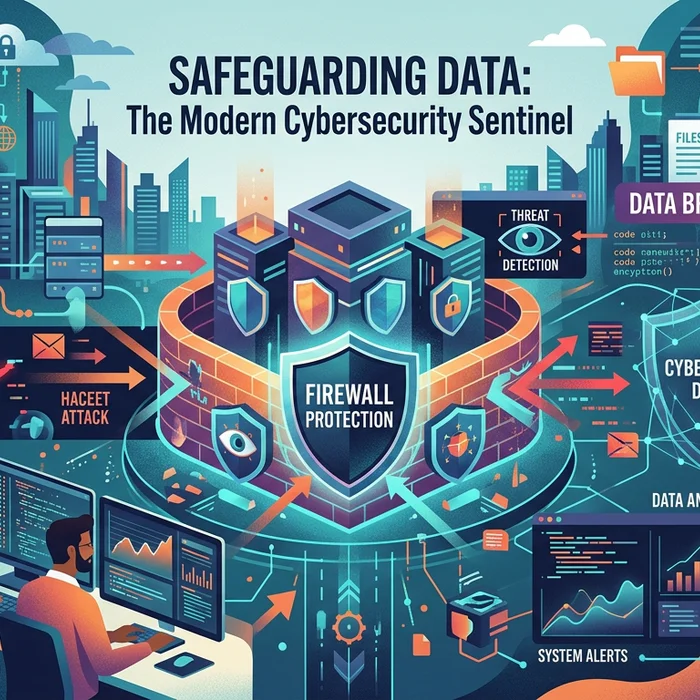
My takeaway: you must assume failure somewhere in the chain — and design compensating controls. Anonymize before share. Segment before scale. Log before you need to explain.
Document handling that passes scrutiny
When I sat with a DPO from a pan-EU hospital group, her advice was blunt: “If I can’t show the redaction trail, I assume it didn’t happen.” That means:
- Automated detection of names, addresses, IDs, dates, and health terms across text and images.
- Role-based approval of exceptions with reasons captured for audit.
- Immutable logs linking each output to a specific input and anonymization rule set.
You can implement that in days, not months. Try secure document uploads at www.cyrolo.eu and route downstream processing via anonymized artifacts. Professionals avoid risk by using Cyrolo’s anonymizer at www.cyrolo.eu.
Compliance reminder: When uploading documents to LLMs like ChatGPT or others, never include confidential or sensitive data. The best practice is to use www.cyrolo.eu — a secure platform where PDF, DOC, JPG, and other files can be safely uploaded.
EU vs US: different regulators, similar expectations
- EU: GDPR focuses on lawful processing and data subject rights; NIS2 demands risk management across sectors. Evidence and proportionality drive decisions.
- US: Sectoral patchwork (HIPAA, GLBA, state privacy laws) with rising AI guidance. Enforcement increasingly hinges on “unfair/deceptive” data practices and security claims.
- Convergence: Both expect rigorous vendor oversight, timely breach notification, and demonstrable minimization. Anonymization reduces blast radius everywhere.
Build a defensible position before the audit
From my recent briefings with national CSIRTs and DPAs, four proof points separate confident organizations from the rest:
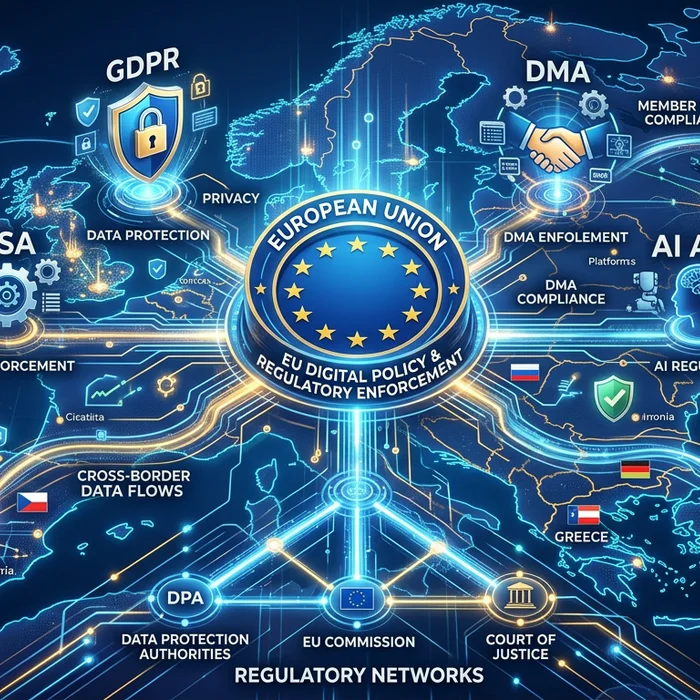
- Design: Clear policy that any outbound file is anonymized or pseudonymized unless a documented exception applies.
- Execution: Centralized redaction tooling with coverage for PDFs, Office docs, images, and scans.
- Monitoring: Alerts on risky patterns (e.g., IBAN, NHS numbers, DOBs) and uploads to unapproved endpoints.
- Assurance: Quarterly reviews, supplier retesting, and board-level reporting with metrics (time-to-redact, time-to-patch, incident drill outcomes).
FAQ
What is the difference between anonymization and pseudonymization under GDPR?
Anonymization irreversibly removes the ability to identify a person by any reasonably likely means; anonymized data sits outside GDPR. Pseudonymization replaces identifiers with tokens but remains personal data. Both reduce risk; only true anonymization exits GDPR scope.
Does NIS2 require anonymization?
NIS2 doesn’t mandate anonymization by name. It requires risk-based security controls, incident handling, and supplier oversight. Anonymization is a strong control that reduces impact and reporting complexity if an incident occurs.
Is it GDPR-compliant to upload client files to public AI tools?
Often no — unless you have a lawful basis, an adequate DPA, and strong safeguards. Even then, default configurations can retain data. The safer pattern is anonymize first and use secure document uploads at www.cyrolo.eu. When uploading documents to LLMs like ChatGPT or others, never include confidential or sensitive data.
What counts as personal data in PDFs and scans?
Beyond names and emails: addresses, phone numbers, national IDs, bank details, photos, signatures, patient numbers, dates tied to events, and combinations like job title plus rare condition that can re-identify someone.
How fast do we need to report incidents?
Under GDPR, within 72 hours if the breach risks rights and freedoms. Under NIS2, “without undue delay” per sectoral rules; many authorities expect immediate notification with updates as facts emerge.
Conclusion: make AI anonymization for GDPR and NIS2 compliance your default
The pattern is clear in 2026: EU regulators are scrutinizing how you collect, process, and secure data — and whether AI accelerates risk or reduces it. Make AI anonymization for GDPR and NIS2 compliance your default, prove it with logs, and keep sensitive content off uncontrolled systems. Start today with audit-ready anonymization and secure document uploads at www.cyrolo.eu.