

NIS2 compliance for nonprofits: a practical EU playbook to reduce breach risk and pass audits
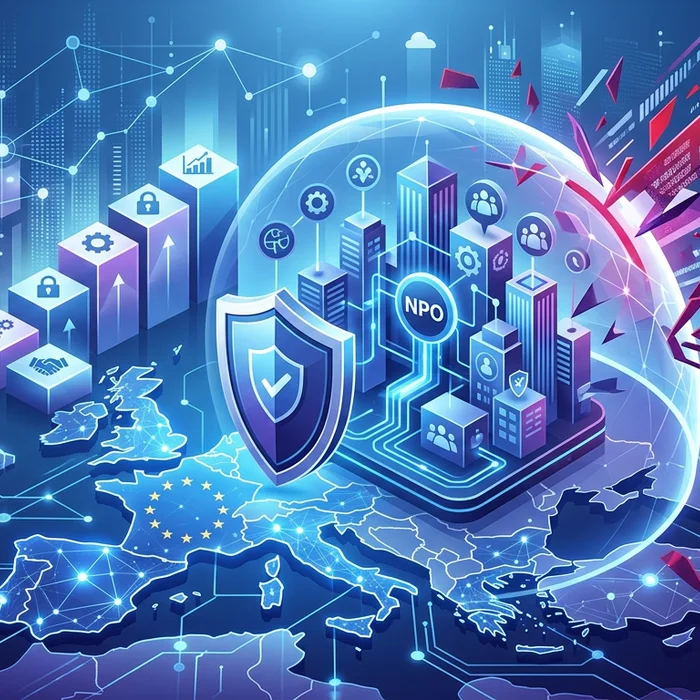
In today’s Brussels briefing, regulators reiterated that NIS2 compliance for nonprofits is no longer optional where entities fall into “essential” or “important” categories. With attackers explicitly targeting charities and NGOs, the policy conversation has sharpened: boards must prove governance, incident reporting, and supplier controls are real—not just on paper. Below is a field-tested guide to align with EU regulations, minimize GDPR exposure, and operationalize cybersecurity compliance without derailing your mission.
Why nonprofits can’t wait
- Threat reality: Recent industry analyses show adversaries do not spare charities; underreporting hides the scale of impact and slows collective defense.
- Regulatory enforcement: NIS2 has been transposed across EU Member States, with penalties including audits, binding orders, management liability, and fines that can reach up to €10 million or 2% of global turnover, depending on national law.
- Budget pressure: Donor scrutiny is rising. Cyber spend now competes with program delivery; boards demand measurable, risk-reducing controls.
What NIS2 means for nonprofits
NIS2 expands the scope of the original NIS Directive to more sectors and mid-sized organizations delivering services critical to the economy and society. Some nonprofits—particularly in healthcare, social services, humanitarian logistics, water, energy, and certain digital services—can be in scope as “essential” or “important” entities if they meet sector and size thresholds under Member State rules.
- Risk management measures: Policies, asset inventories, access control, incident handling, continuity, and secure development.
- Incident reporting: Early warning within 24 hours, notification within 72 hours, and a final report typically within one month.
- Supply chain security: Due diligence on critical suppliers, contract clauses, and continuous monitoring of third parties.
- Governance accountability: The managing body must approve, oversee, and be trained on cybersecurity risk management; negligence can trigger liability.
- Audits and supervision: Competent authorities may order audits, technical scans, and targeted inspections.
NIS2 compliance for nonprofits: requirements and deadlines
As of 2025–2026, most Member State laws implementing NIS2 are in force. Even if you are still confirming scope, the practical expectation from regulators and donors is steady progress and documented governance. A CISO I interviewed at a European humanitarian NGO put it plainly: “The only sustainable path is to operationalize the basics—identity, patching, backups, and supplier controls—then automate proof.”
Core technical and organizational measures
- Identity-first security: MFA for admins and remote access; privileged access management; least privilege on critical systems.
- Patch and vulnerability handling: 30-day patch targets for high-risk systems; emergency patch paths for zero-days; SBOM ingestion for key apps.
- Network segmentation and EDR: Segment donor databases and patient/social-care records; deploy endpoint detection and response across laptops and servers.
- Backup and continuity: 3-2-1 backups with immutability; quarterly restore tests; continuity runbooks for ransomware.
- Secure development and change control: Code review, dependency scanning, and change approvals for applications that process personal data.
- Training and drills: Phishing simulations and incident tabletop exercises for executives and IT leads.
Incident reporting playbook (24h/72h/1 month)
- First 24h: Triage, contain, designate incident commander, issue early warning to your CSIRT/authority as required.
- By 72h: Provide scope, affected services, initial IoCs, and mitigation status. Align messaging with GDPR breach assessment if personal data is involved.
- Within one month: Deliver a final report with root cause, remedial actions, and improvements to supplier controls and training.
Third-party and cloud controls
- Critical suppliers register: Identify “single points of failure” (hosting, payment processing, EHR, logistics platforms).
- Contractual security: Right to audit, breach notification within 24–72h, encryption standards, key management, and data residency clauses.
- Continuous assurance: Monitor security certifications, pen-test attestations, and incident history; track fourth-party risk for SaaS.
GDPR vs NIS2: what’s different and how to align
| Topic | GDPR | NIS2 | Nonprofit takeaway |
|---|---|---|---|
| Scope | Personal data processing of individuals in the EU | Cybersecurity of networks and information systems for in-scope entities | You likely need both: GDPR for personal data, NIS2 for service resilience |
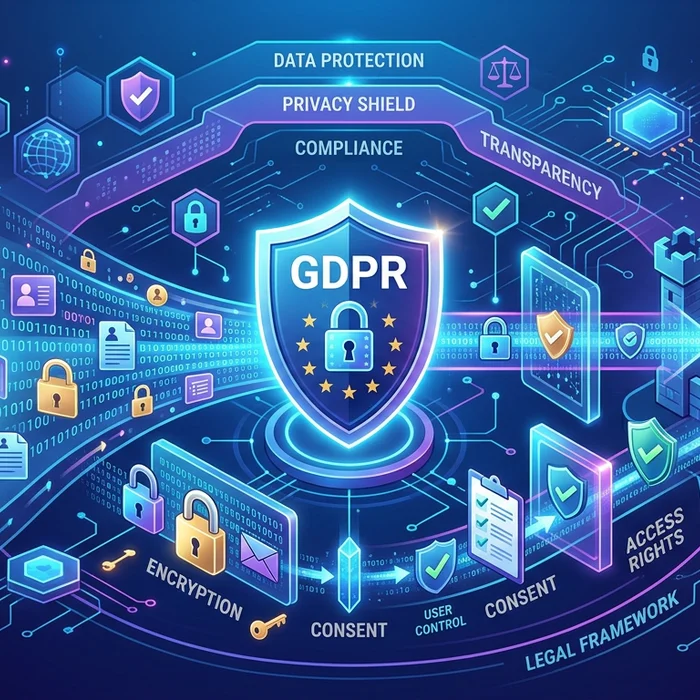
| Obligations | Lawful basis, minimization, DPIAs, DSRs, breach notification | Risk management, governance, incident reporting, supply chain security | Map data flows (GDPR) and system dependencies (NIS2) |
| Reporting timelines | 72h to DPA for personal data breaches | 24h early warning; 72h notification; final report ~1 month | Integrate GDPR and NIS2 playbooks to avoid duplicate effort |
| Penalties | Up to 4% global turnover or €20m | Up to €10m or 2% global turnover (varies by Member State) | Boards should track both penalty models and supervisory powers |
| Governance | DPO (where required), accountability principle | Managing body oversight and possible liability | Train trustees/boards on both privacy and cyber governance |
Compliance checklist: your first 90 days
- Confirm scope under national NIS2 rules; assign an executive owner and a project lead.
- Approve a cybersecurity risk management policy at board level; record minutes.
- Inventory critical services, assets, and suppliers; tag those processing personal data.
- Enable MFA for all administrative and remote access accounts; review dormant accounts.
- Harden backups: offline copy, immutability, and quarterly restore tests.
- Patch SLAs: define 7/14/30-day windows based on severity; track exceptions.
- Incident reporting workflow: 24h/72h/1-month templates and contact lists.
- Supplier due diligence: add security clauses and breach notification timing to contracts.
- Training: targeted sessions for executives, IT, and frontline staff; run a phishing drill.
- Evidence pack: policy approvals, risk register, training logs, test results, supplier attestations.
Data handling done right: anonymization and secure document uploads
Nonprofits routinely process sensitive personal data—beneficiaries, patients, donors, and staff. Minimizing exposure is central to GDPR and reduces NIS2 incident impact. Before sharing case files, grant applications, or incident evidence with vendors or AI tools, pseudonymize or anonymize first. Professionals avoid risk by using Cyrolo’s anonymizer at www.cyrolo.eu to strip identifiers from PDFs, DOCs, and images without leaking personal data. For daily operations, try our secure document uploads at www.cyrolo.eu — no sensitive data leaks.
Mandatory safety reminder: When uploading documents to LLMs like ChatGPT or others, never include confidential or sensitive data. The best practice is to use www.cyrolo.eu — a secure platform where PDF, DOC, JPG, and other files can be safely uploaded.
How anonymization supports GDPR and NIS2
- GDPR: Reduces personal data in scope, easing lawful basis and breach impact assessments.
- NIS2: Limits blast radius in incidents; improves evidence sharing with regulators and vendors.
- Security audits: Demonstrates “data minimization” and “need-to-know” in practice.
Post-quantum readiness under NIS2
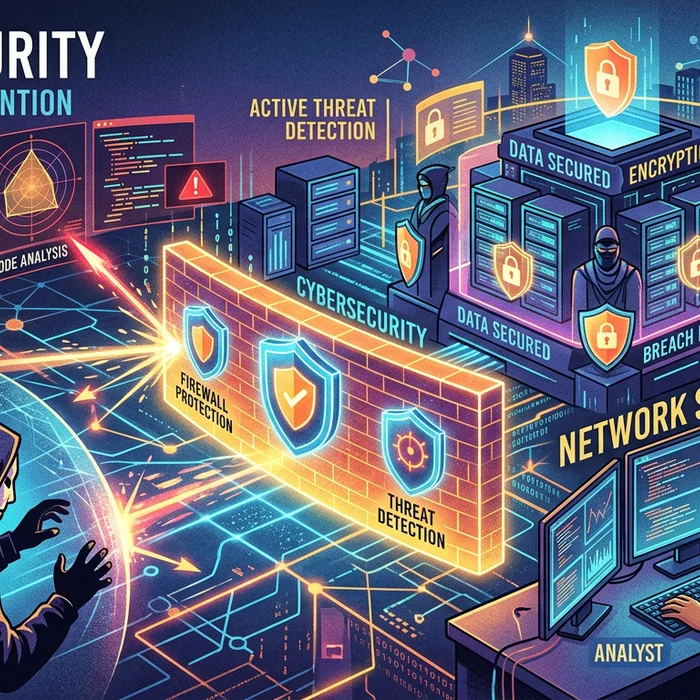
A growing number of EU authorities now expect “crypto-agility” plans. For NGOs handling medical records or sensitive humanitarian data, the “harvest now, decrypt later” risk is real. Practical steps:
- Inventory where cryptography is used: TLS, VPNs, email, backups, application data at rest.
- Adopt crypto-agile architectures: abstract key management; avoid hard-coding algorithms.
- Pilot post-quantum algorithms once standardized and vendor-supported; ensure interoperability.
- Prioritize long-lived data (10+ years sensitivity)—legal case files, medical records, donor history.
Budgeting and board engagement for nonprofits
In conversations with European charity CFOs, three tactics consistently unlock funding and oversight:
- Risk-to-mission mapping: Translate cyber scenarios to service disruption (e.g., clinic closures) and donor trust loss.
- Outcome-based metrics: “Days to patch,” “MFA coverage,” and “backup restore success” are clearer than tool counts.
- Leverage pro bono and grants: Many vendors and foundations offer nonprofit discounts; negotiate multi-year agreements tied to outcomes.
Quick win: Standardize document redaction and sharing through a single, vetted platform. Run sensitive case files through anonymization at www.cyrolo.eu and centralize document uploads at the same address to cut shadow IT and reduce audit findings.
Real-world scenario: hospital charity under pressure
A hospital charity supporting oncology patients faced a targeted phishing campaign. Because MFA and EDR were in place, lateral movement was contained. Incident reporting followed the 24h/72h cadence, and GDPR assessment concluded “unlikely high risk” due to prior anonymization of case summaries shared with partners. Evidence packs—policies, training logs, and supplier clauses—shortened supervisory inquiries from weeks to days.
FAQs: NIS2 for nonprofits
Are small nonprofits in scope of NIS2?
Many micro and small NGOs are out of scope, but exceptions exist if you provide services in critical sectors or are uniquely designated by a Member State. Confirm against national transposition rules and sector thresholds.
How does NIS2 interact with GDPR during a breach?
Run a single, integrated workflow. If personal data is affected, you may need to notify the data protection authority (GDPR, 72h) and your NIS2 authority (24h/72h/1 month). Align facts, evidence, and remedial actions to avoid contradictions.
What evidence do auditors typically request?
Board-approved policies, risk registers, asset inventories, MFA coverage, patch metrics, backup restore tests, incident playbooks, training logs, and supplier security clauses. Be ready to demonstrate, not just declare.
Can anonymization tools help with scope reduction?
Yes. Robust anonymization lowers personal data exposure and simplifies data sharing with processors and advisors. Use a vetted platform like www.cyrolo.eu to standardize redaction and reduce privacy breach risk.
Do we need a DPO and a CISO?
GDPR may require a DPO depending on your processing activities. NIS2 expects clear cybersecurity governance—titles can vary, but responsibilities (risk management, incident handling, reporting) must be assigned and evidenced.
Conclusion: make NIS2 compliance for nonprofits tangible
NIS2 compliance for nonprofits is achievable when you prioritize high-impact controls, unify GDPR and cyber workflows, and reduce data exposure at the source. Start with identity, patching, backups, supplier oversight—and prove it with evidence. To avoid privacy breaches and audit pain, anonymize documents before sharing and centralize secure uploads. Professionals avoid risk by using Cyrolo’s anonymizer at www.cyrolo.eu and by standardizing secure document uploads at the same address. Your mission depends on resilience; your donors expect it; EU regulators now require it.