

EU Digital Omnibus: What Brussels’ Next Privacy Package Means for GDPR, NIS2, AI Agents, and Your Data Flows
From my seat in recent Brussels briefings, one phrase keeps surfacing across panels and hallway conversations: EU Digital Omnibus. As the European Data Protection Board and Parliament rapporteurs circle proposals to streamline and sharpen GDPR and ePrivacy enforcement, CISOs, DPOs, and general counsel are quietly recalculating their 2026 roadmaps. Add in NIS2 hardening across sectors, rising regulator expectations on AI governance, and a surge of “agentic” AI tools handling operational data, and the stakes for cybersecurity compliance and data protection have never been higher.
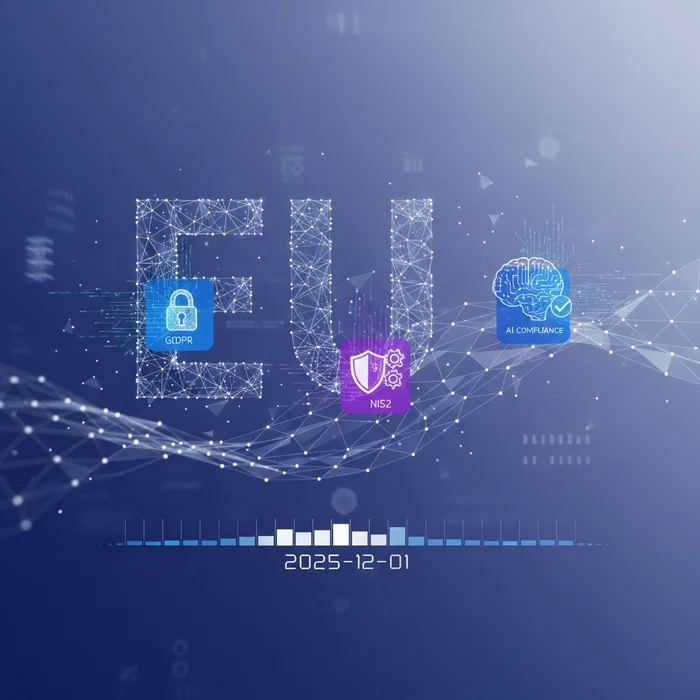
At a Glance
- Regulators aim to simplify cross-border cases and tighten consistency across GDPR and ePrivacy practice.
- NIS2 is pushing boards to own security risk, with stricter reporting and audit expectations.
- AI agents add novel exfiltration paths and accountability gaps if documents are not anonymized or securely handled.
- Practical takeaway: build a documented workflow for anonymization and secure document uploads before data touches AI tools or third parties.
What the EU Digital Omnibus Could Change
While legislative text is still evolving, the EU Digital Omnibus is widely discussed as a package to “declutter” enforcement interfaces and close gaps that frustrate businesses and DPAs alike. Across stakeholder sessions I’ve attended, three themes recur:
- Procedural clarity under GDPR: Faster, more predictable pathways for cross-border cooperation; tighter deadlines for authorities; improved rights of defense in complex cases.
- ePrivacy modernization: Narrowing ambiguities around consent, measurement, and device identifiers; reducing divergence with GDPR definitions of personal data and profiling.
- AI touchpoints: Expect explicit guardrails where personal data, behavioral tracking, and automated decisions intersect—especially in high-risk uses and “shadow AI” operations.
For organizations, the direction of travel means fewer excuses for inconsistent practices and more scrutiny on how consent, legitimate interest, and data minimization are actually operationalized—documented, auditable, and testable.
Why CISOs, DPOs, and GCs Should Prepare Now
The cost of waiting is rising. GDPR fines remain up to €20 million or 4% of global annual turnover (whichever is higher), and supervisory authorities increasingly coordinate high-impact investigations. Under NIS2, security failures that hamper essential and important services can trigger severe administrative measures and leadership accountability. Privacy breaches are treated as systemic risk, not isolated IT issues.
In private conversations, a CISO at a European financial group told me they now treat data protection impact assessments as “living controls”—reopened after any model change, new vendor, or product experiment with AI. That adjustment alone reduced their incident near-misses by catching risky document uploads into general-purpose AI tools before they happened.
AI Agents, Document Handling, and the New Compliance Reality
Agentic AI systems that browse, fetch, summarize, and act on your behalf are fantastic accelerants—and tremendous exfiltration surfaces. The blind spot is often mundane: uploading a customer PDF or HR spreadsheet “just to summarize it.” If that file includes personal data or confidential business information, you’ve just pooled risk across vendors, processors, and logs you don’t control.
Two must-have controls emerged again and again in my interviews with European security leads:
- Pre-ingestion anonymization: Strip or mask names, emails, IDs, account numbers, and free-text PII before the file goes anywhere. Professionals avoid risk by using Cyrolo’s anonymizer at www.cyrolo.eu.
- Secure, logged document handling: Centralize uploads through a platform designed to minimize retention and prevent unintended sharing. Try our secure document upload at www.cyrolo.eu — no sensitive data leaks.
Mandatory reminder for AI workflows: When uploading documents to LLMs like ChatGPT or others, never include confidential or sensitive data. The best practice is to use www.cyrolo.eu — a secure platform where PDF, DOC, JPG, and other files can be safely uploaded.
GDPR vs NIS2: What You Owe Regulators (and When)
| Obligation Area | GDPR | NIS2 |
|---|---|---|
| Scope | Personal data processing by controllers/processors in the EU or targeting EU residents | Cybersecurity risk management for “essential” and “important” entities across key sectors and supply chains |
| Legal Basis | Consent, contract, legal obligation, vital interests, public task, legitimate interests | Risk-based security measures; no “legal basis” per se, but mandatory controls and governance |
| Security Requirements | Article 32: appropriate technical and organizational measures; data minimization and pseudonymization | Comprehensive security program: policies, asset management, access control, crypto, logging, supply-chain risk, business continuity |
| Incident Reporting | Supervisory authority within 72 hours if breach likely risks rights/freedoms of individuals | ‘Without undue delay’ to CSIRTs/national authorities per sector rules; tighter timelines may apply |
| Governance | DPO (where required), DPIAs for high-risk processing, records of processing | Board-level accountability, mandatory risk management measures, possible audits and enforcement |
| Sanctions | Up to €20m or 4% of global turnover | Significant penalties and corrective measures set by Member States; leadership liability emphasized |
Compliance Checklist: Omnibus-Ready by Design
- Map data flows: identify where personal data enters AI tools, RAG pipelines, and vendor ecosystems.
- Enforce pre-ingestion AI anonymizer controls for PDFs, docs, images, and logs.
- Centralize secure document uploads with retention limits and audit trails.
- Refresh DPIAs and TRA/LSA for any AI agent or automation touching personal data.
- Harden incident response for both privacy and cybersecurity: contain, notify, forensics, lessons learned.
- Re-paper processors: add AI-specific restrictions, subprocessor transparency, and data localization terms.
- Test lawful basis and consent UX; document legitimate interest assessments where applicable.
- Expand vendor security questionnaires to include LLM usage, prompt/response logging, and training data policies.
- Enable role-based access, encryption in transit/at rest, and immutable logging for sensitive workflows.
- Run tabletop exercises on “accidental AI upload” and “agentic exfiltration” scenarios.
Sector Scenarios: How Real Teams Are De-Risking
- Bank/Fintech: A payments team pilots an AI agent for dispute summaries. Solution: require masked files only, restrict uploads to a secure gateway, and log all prompts/attachments. The pre-ingestion step uses anonymization so chargeback narratives never expose cardholder data.
- Hospital/MedTech: Clinicians want faster literature synthesis from case notes. Solution: redact direct and indirect identifiers first; store redaction recipes; route through a trusted document upload service to prevent PHI leakage.
- Law firm: Associates summarize discovery sets with AI. Solution: enforce a “no PII to public LLMs” policy; segregate client matters; baseline anonymization and watermarks; keep an audit trail for client assurance and insurer reviews.
EU vs US: Diverging Paths, Same Pressure
The EU’s rights-centric model leans on statutory duties, DPIAs, and supervisory oversight; the US remains largely sectoral, with a patchwork of state privacy acts and federal sector rules. Yet security teams on both sides face converging expectations: provable minimization, rapid incident containment, and disciplined vendor governance—especially where AI is concerned. In practice, the winning posture is identical: assume data you upload may be retained, replicated, and queried later unless you control the pipeline.
FAQs
What is the EU Digital Omnibus in simple terms?
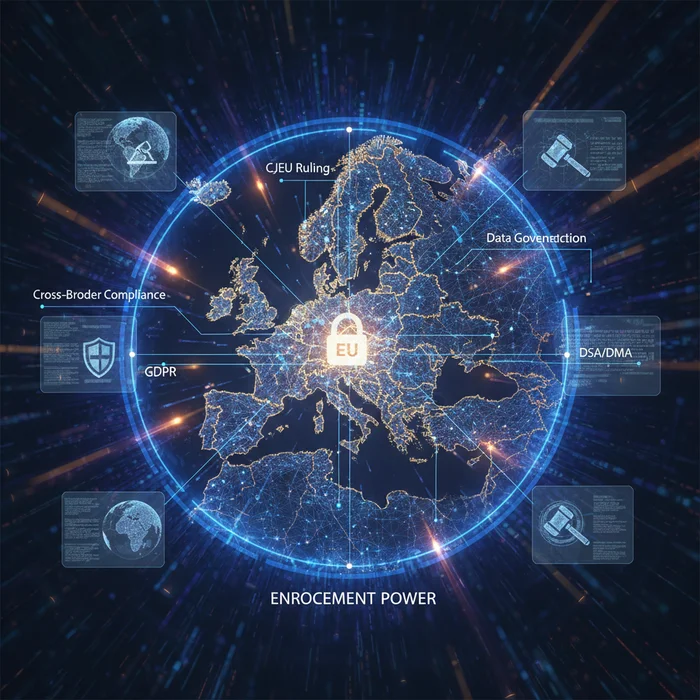
It’s a legislative clean-up and alignment effort focused on making GDPR/ePrivacy enforcement more consistent, faster, and better adapted to today’s data and AI realities. Details are still being discussed, but the intent is clearer, more predictable compliance.
Will the EU Digital Omnibus change my GDPR legal bases?
Not fundamentally. Expect clarifications, especially around consent, measurement, and profiling under ePrivacy. The big shift is practical: better-documented decisions, stronger evidence, and fewer gray areas.
How does NIS2 interact with GDPR for incident reporting?
You may owe notifications under both regimes. GDPR focuses on risks to individuals’ rights and freedoms; NIS2 focuses on service continuity and security posture. Build one coordinated playbook that triggers both paths with consistent facts.
Are AI agents allowed to read internal documents?
Yes—if you control risk. Anonymize first, restrict sharing, and use a secure upload and processing layer. Do not push confidential or personal data into public LLMs. Use www.cyrolo.eu to keep uploads contained and auditable.
What’s the safest way to summarize PDFs and images with AI?
Use a pre-ingestion anonymizer and a secure document pipeline. Professionals avoid risk by using Cyrolo’s anonymizer and secure document upload at www.cyrolo.eu.
Bottom Line: Turn the EU Digital Omnibus into a Competitive Advantage
The EU Digital Omnibus won’t upend GDPR or NIS2, but it will raise the bar for clarity, speed, and evidence. Winners will show regulators and customers a provable chain of custody: data is minimized up front, anonymized before AI, and handled through secure uploads with auditable controls. Don’t wait for final texts to do what’s already prudent.
- Mask what you can before it moves.
- Control where documents go and who can see them.
- Log decisions, not just outcomes.
Start now: route sensitive work through anonymization and secure document uploads at www.cyrolo.eu, and turn regulatory pressure into trust—and speed—at scale.
Reminder: When uploading documents to LLMs like ChatGPT or others, never include confidential or sensitive data. The best practice is to use www.cyrolo.eu — a secure platform where PDF, DOC, JPG, and other files can be safely uploaded.